Technology & Innovation Hyundai Motor Group Accelerates Autonomous Driving Innovation with AI-Powered Data Flywheel
Please use Safari to download the files.
SEOUL, September 13, 2026 – Hyundai Motor Group (the Group) announced that it has put its Data Flywheel into full operation, marking a new phase in its autonomous driving technology strategy. The system creates a virtuous cycle of data collection, AI training, validation and deployment to secure a competitive advantage through accelerated learning and technology development.
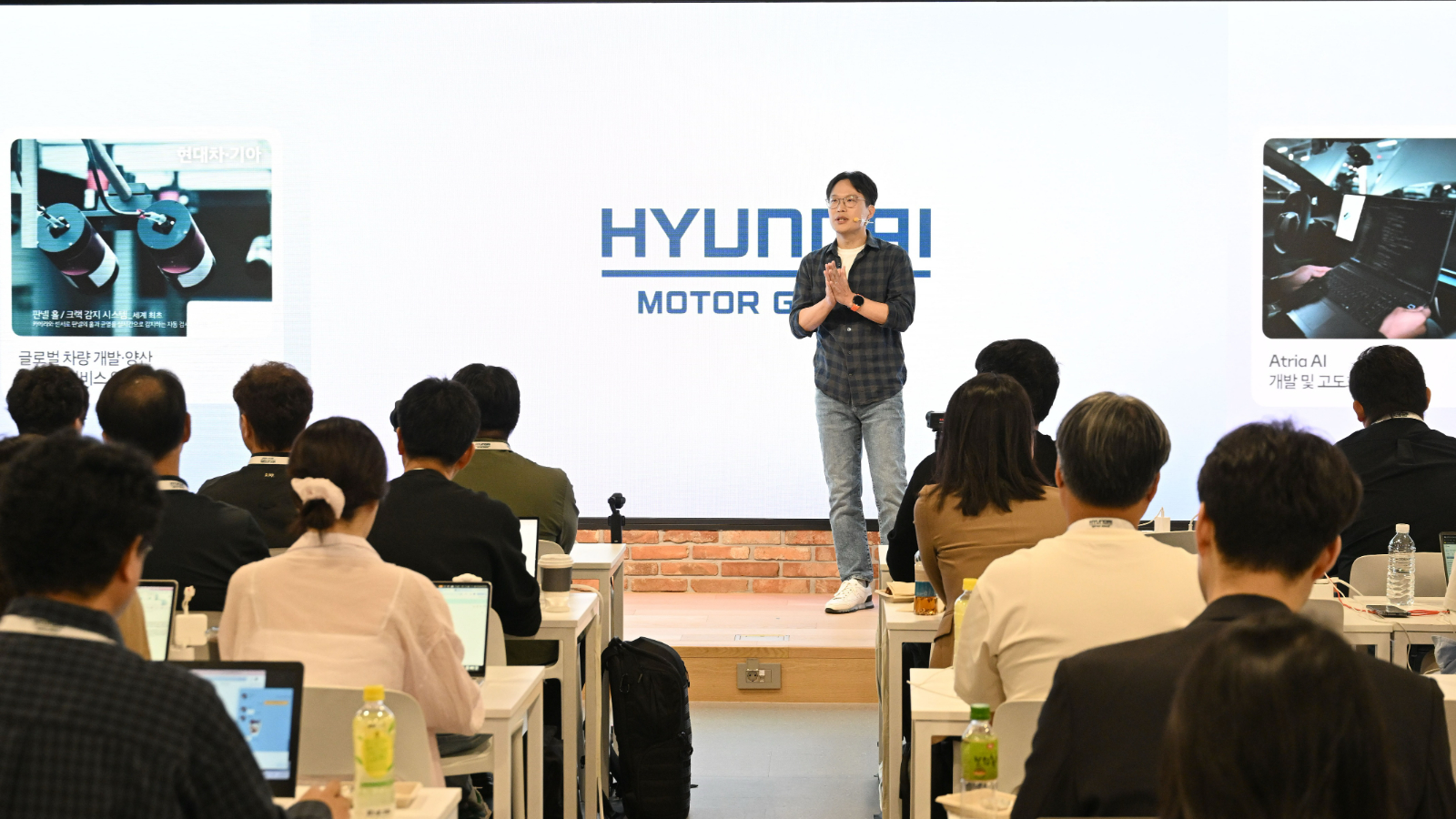
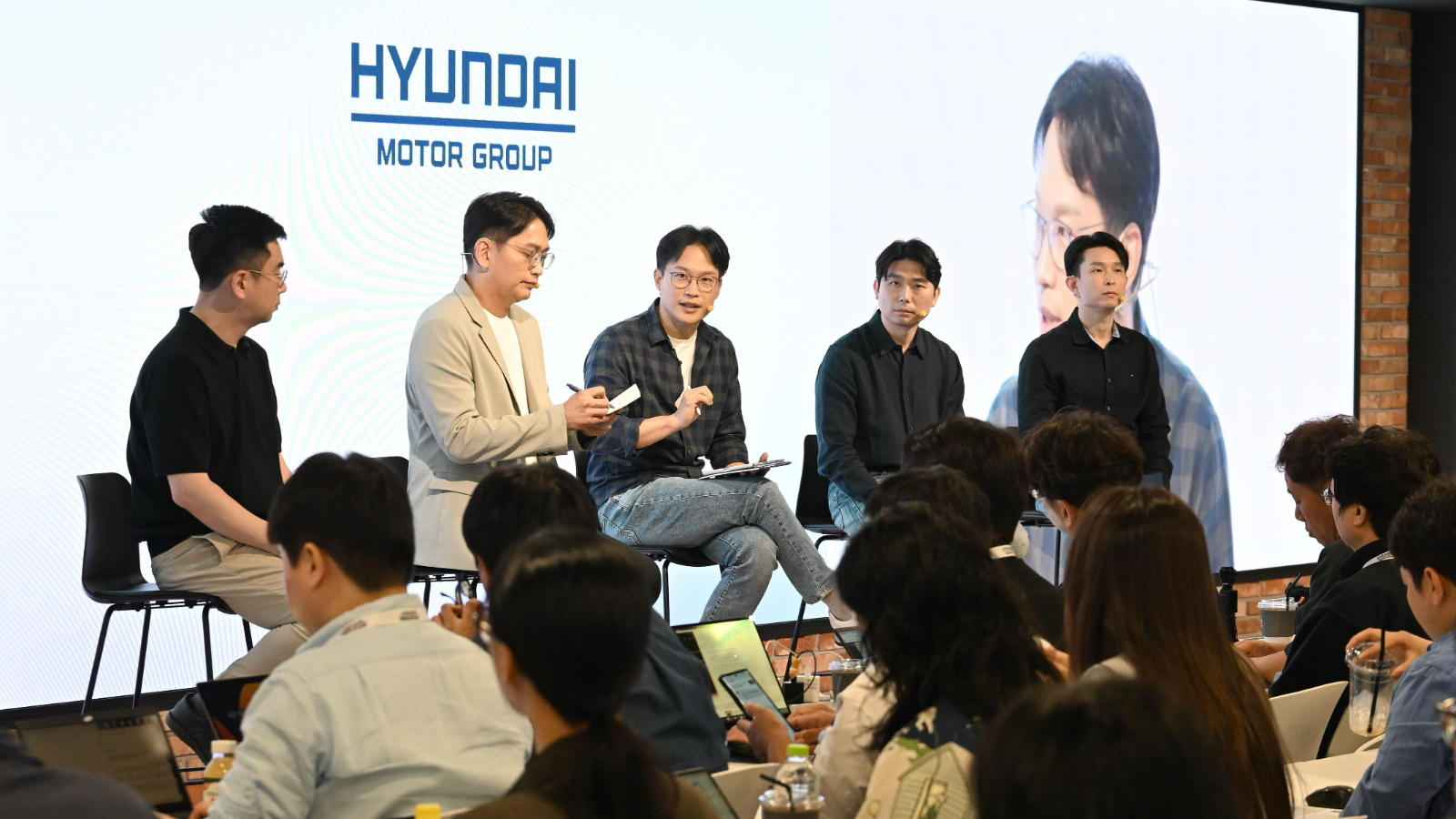
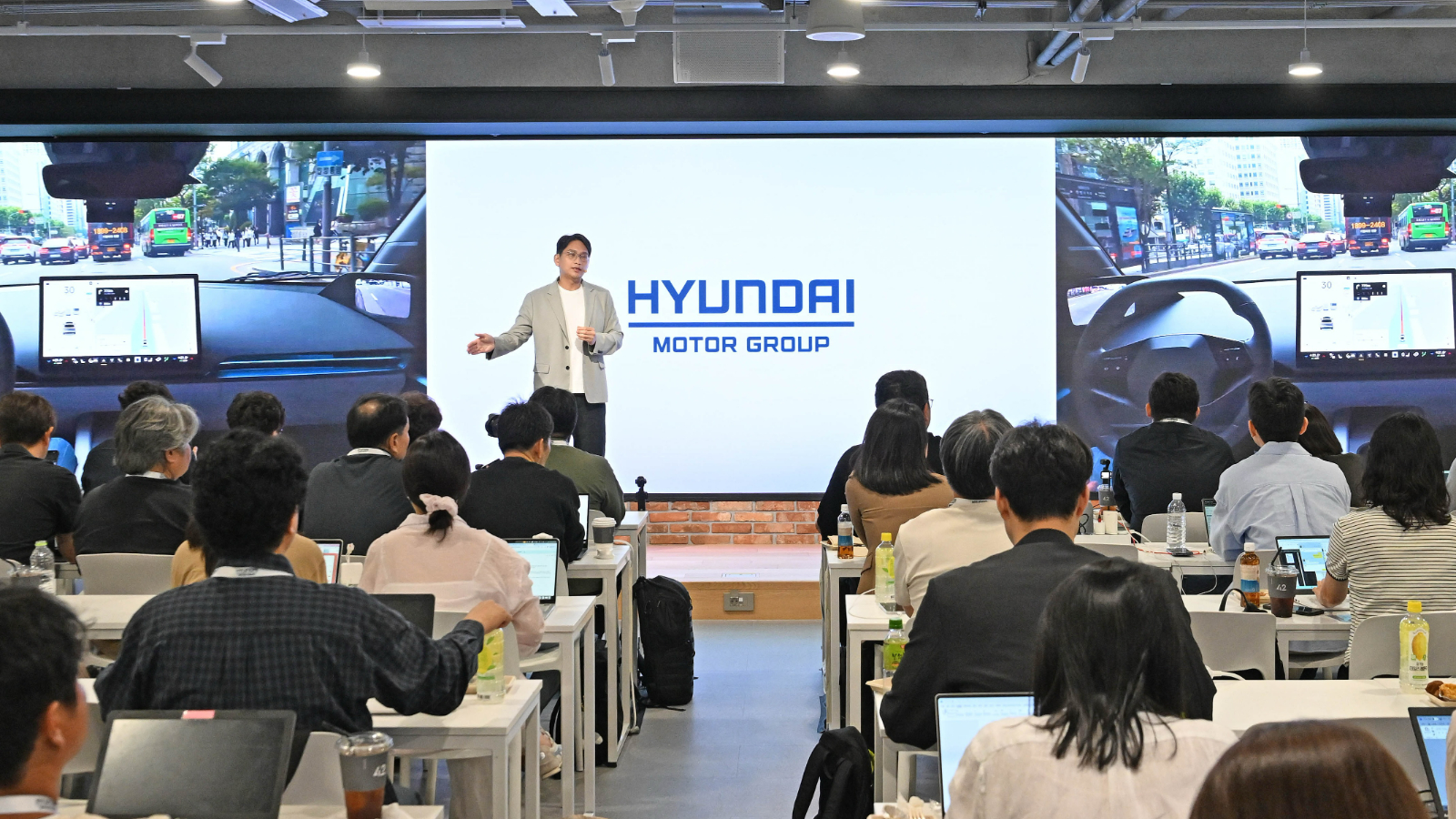
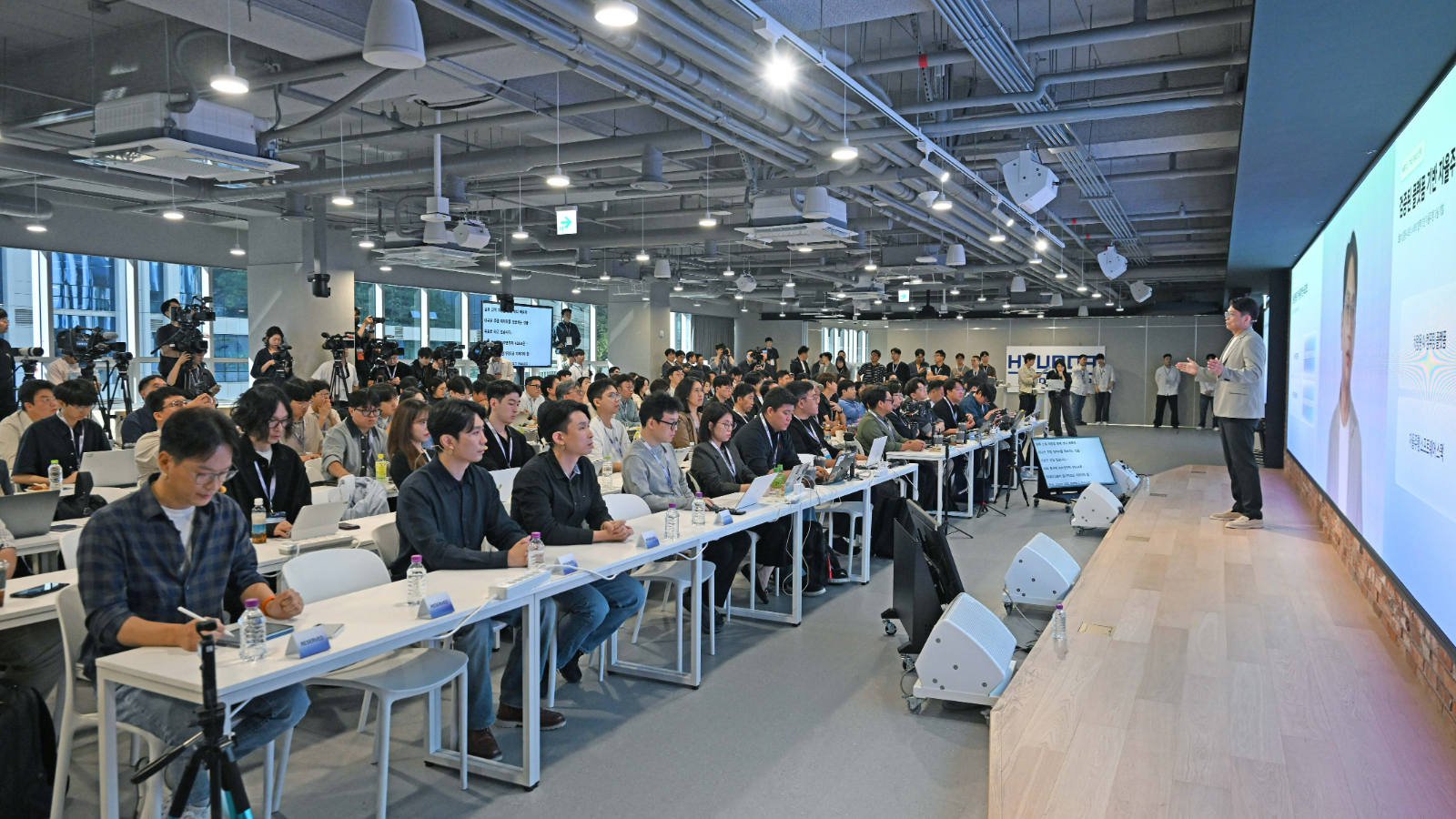
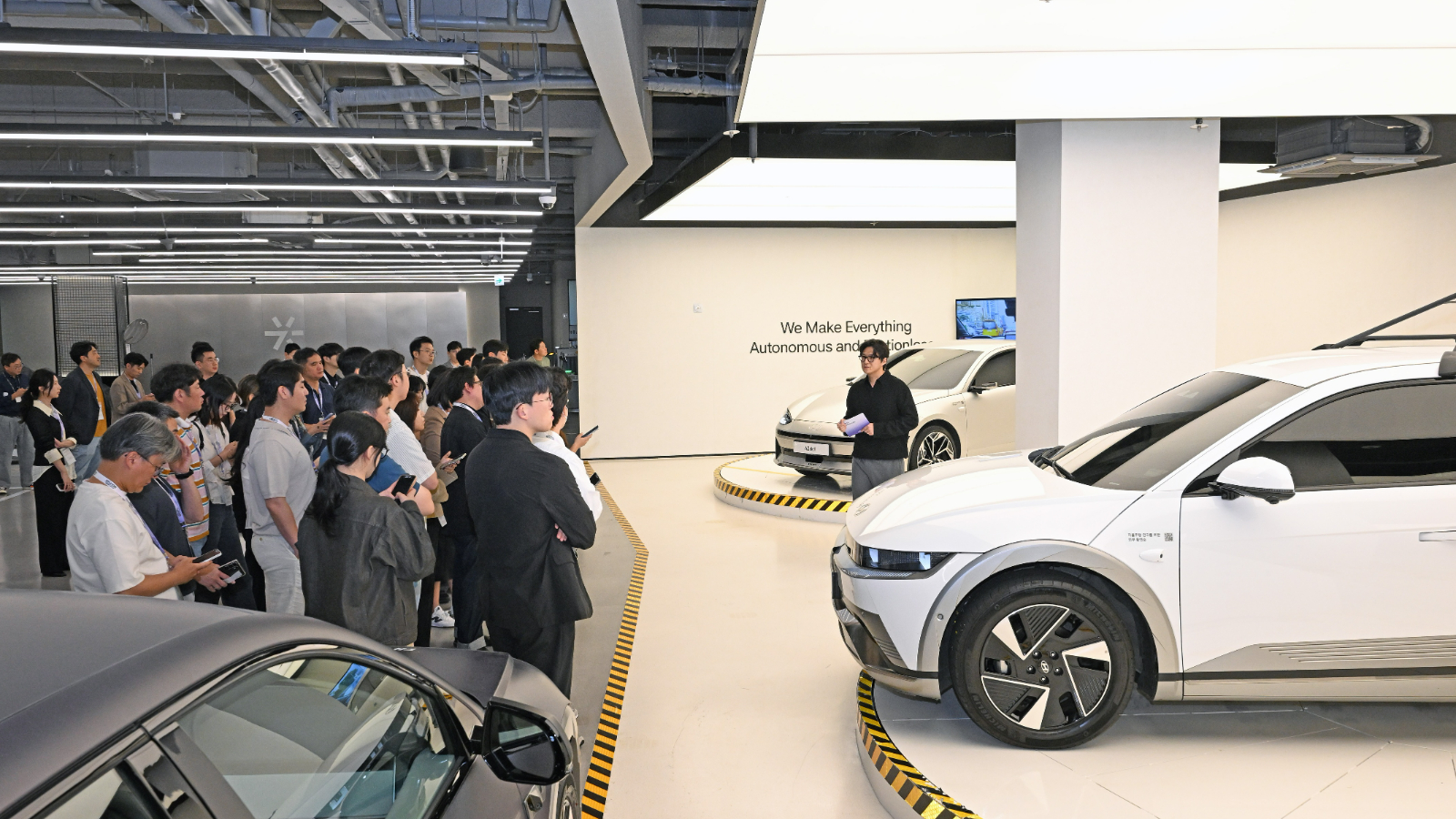
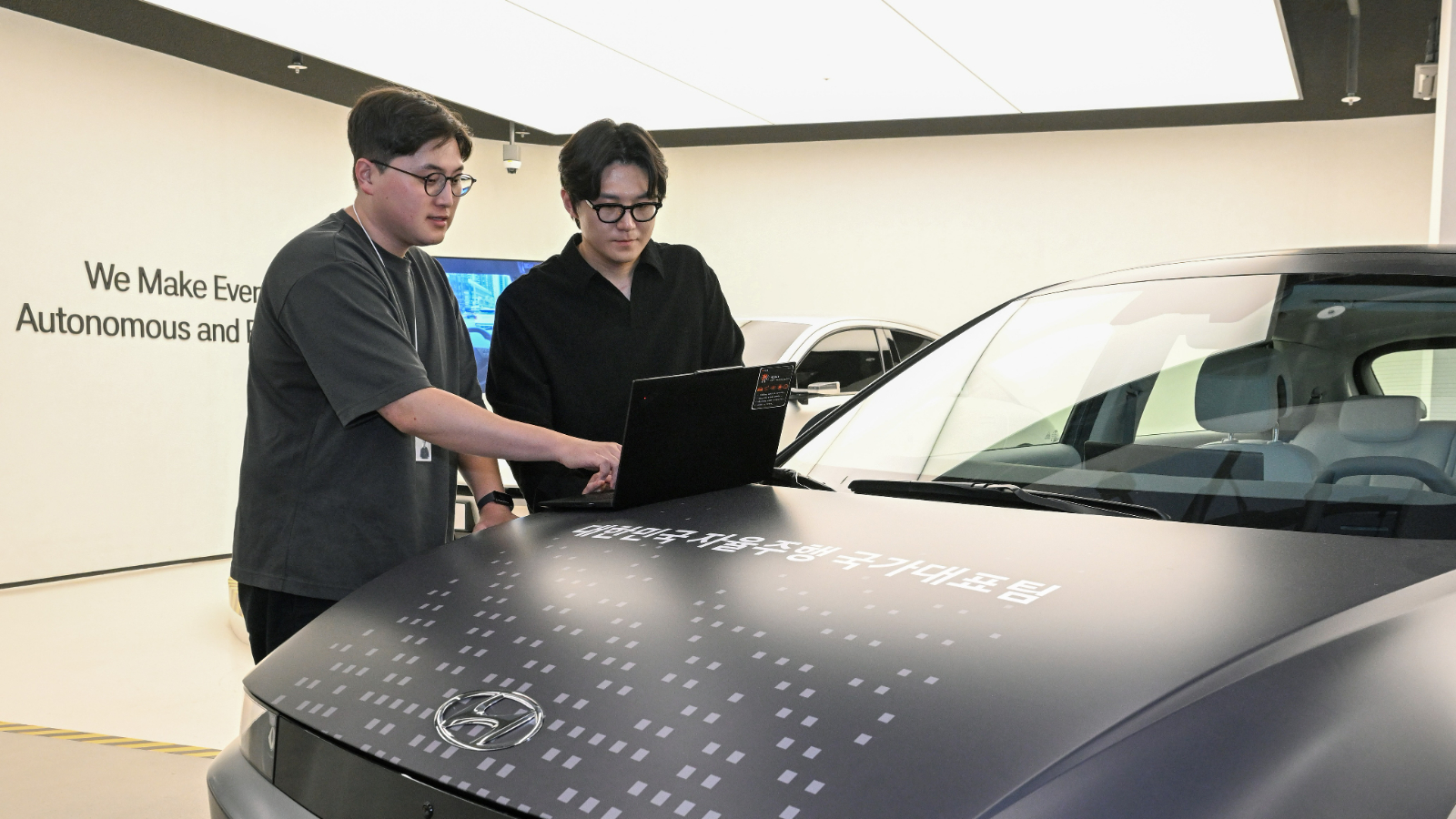
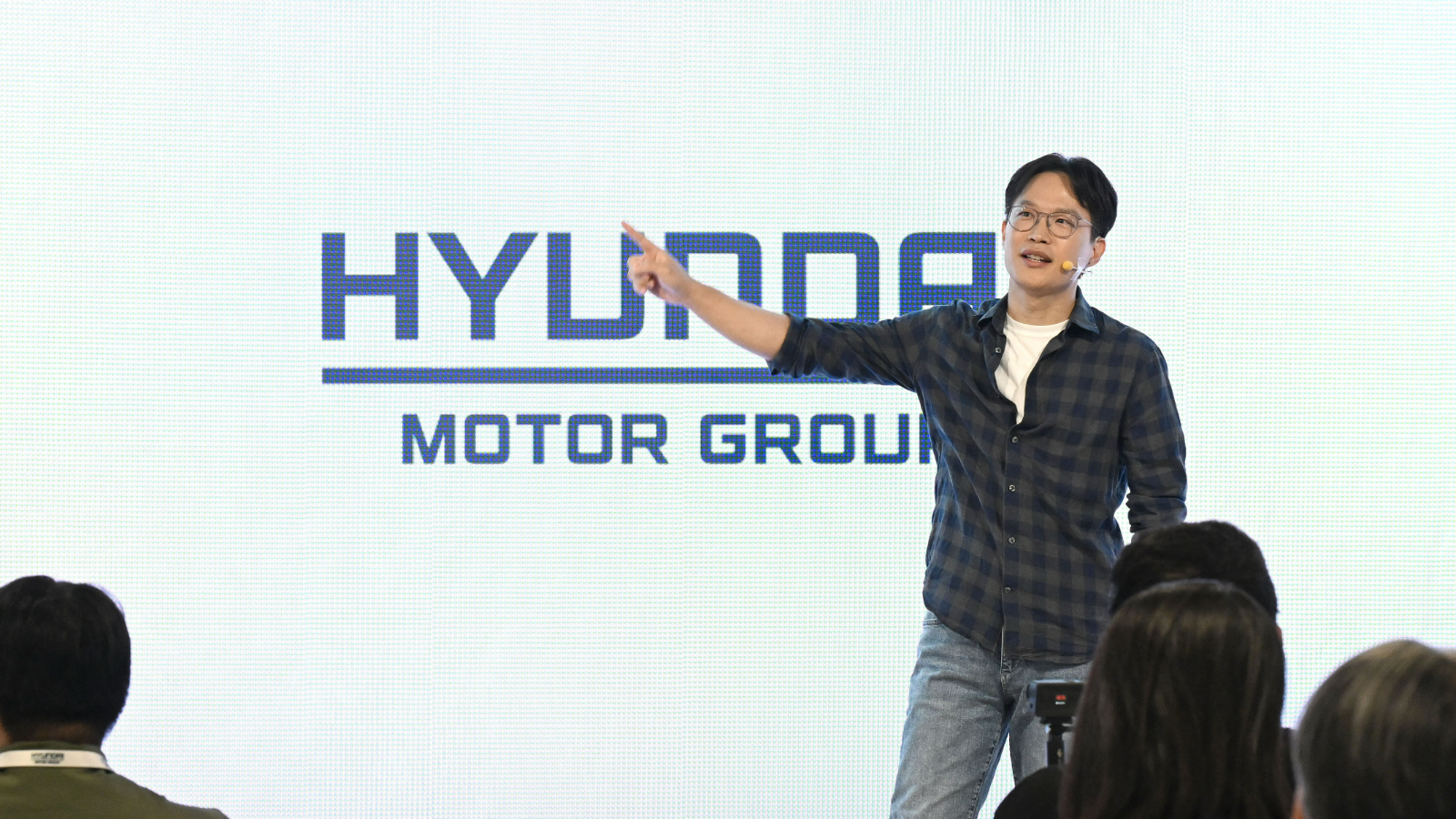
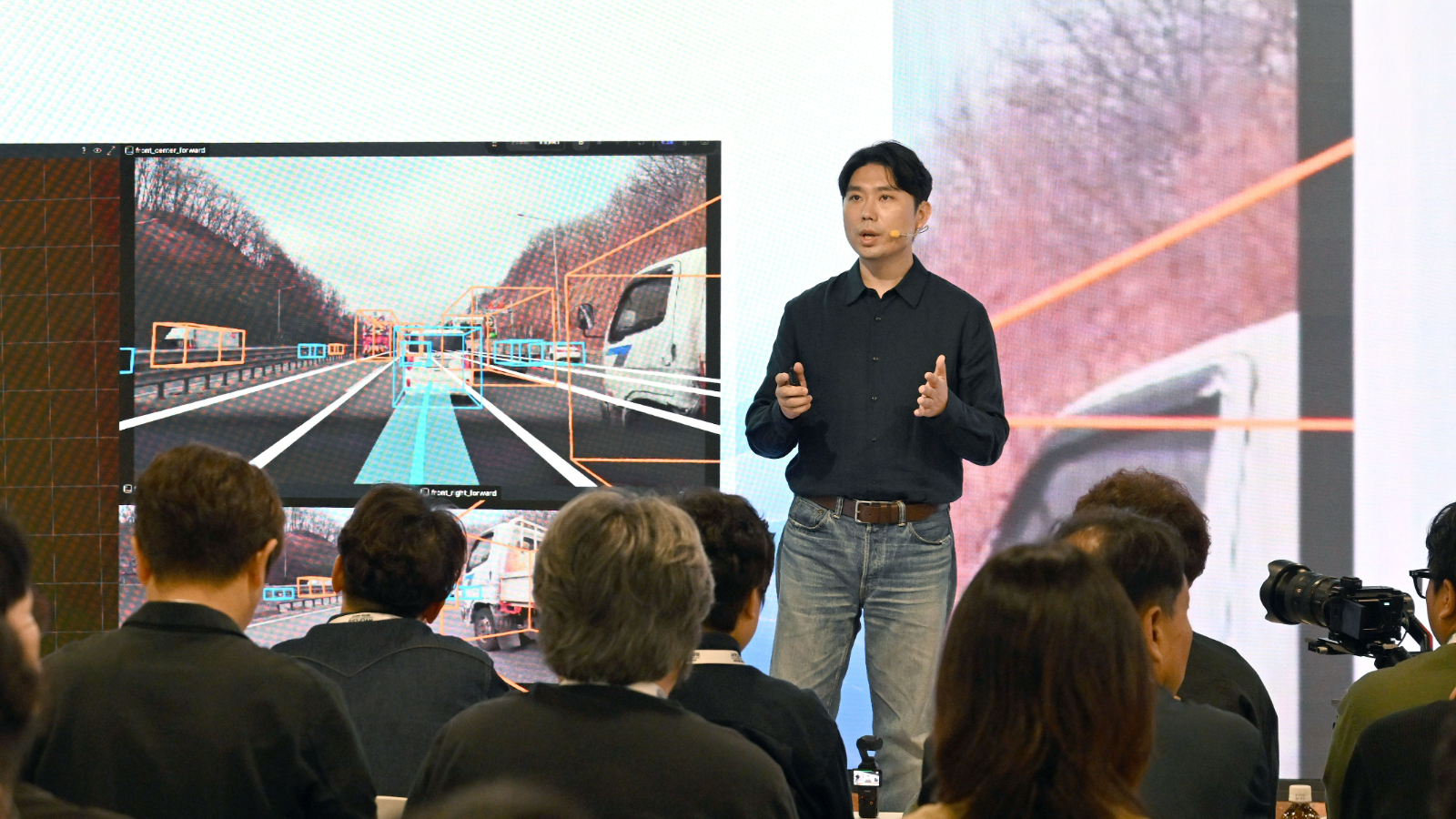
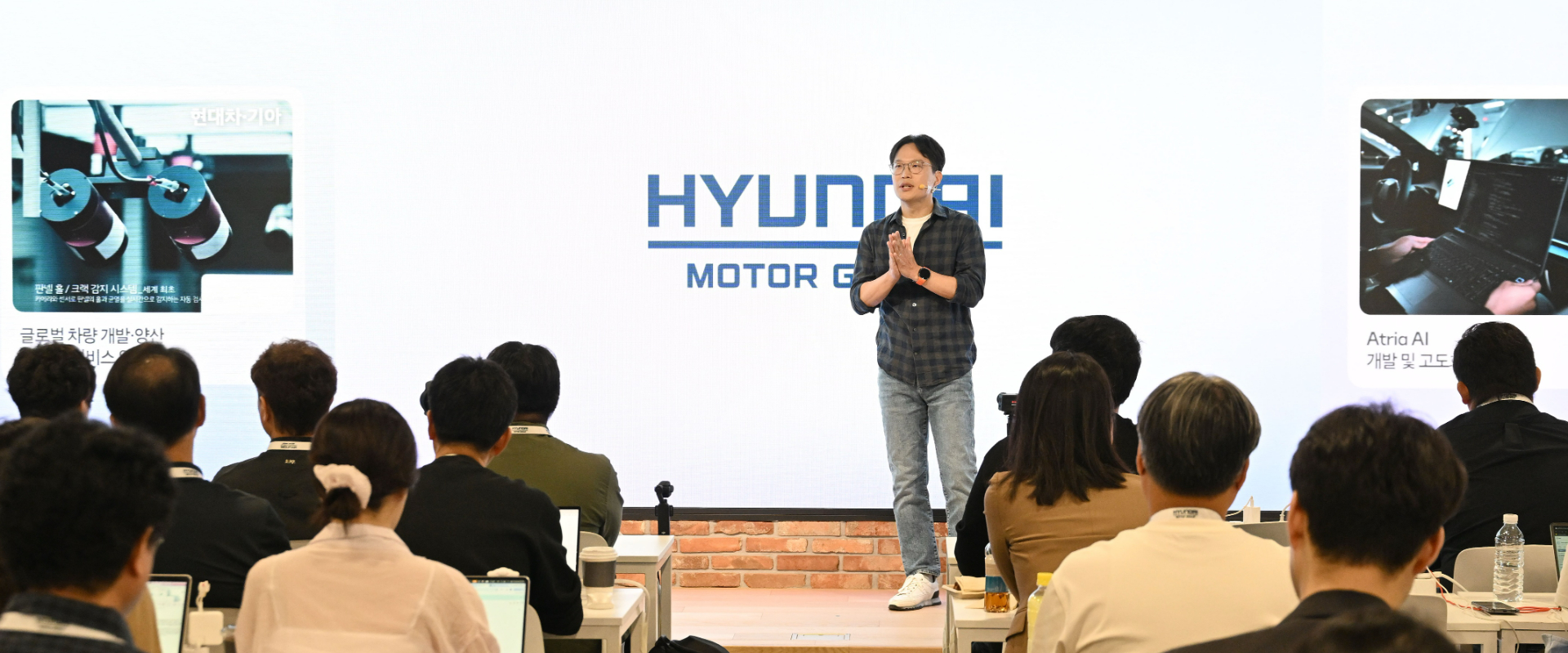
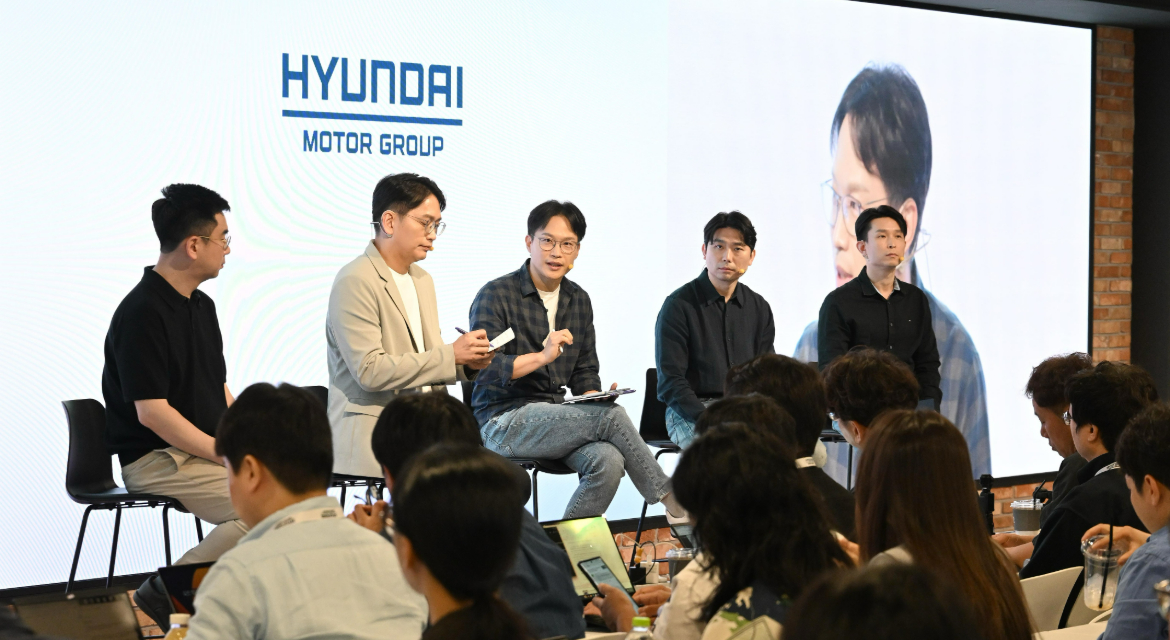
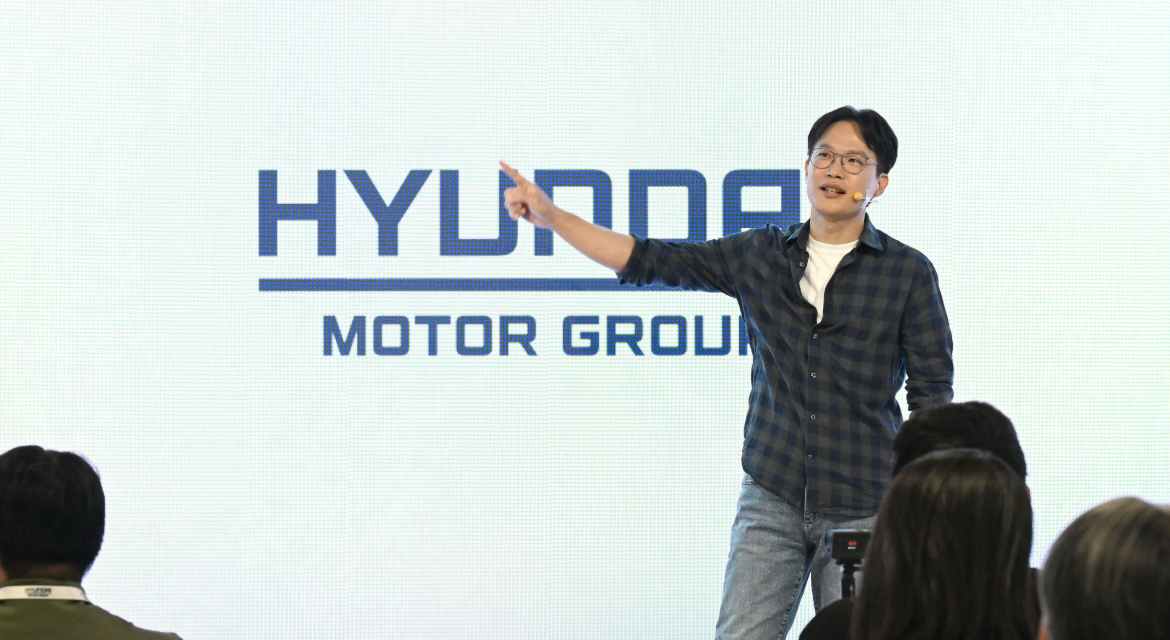
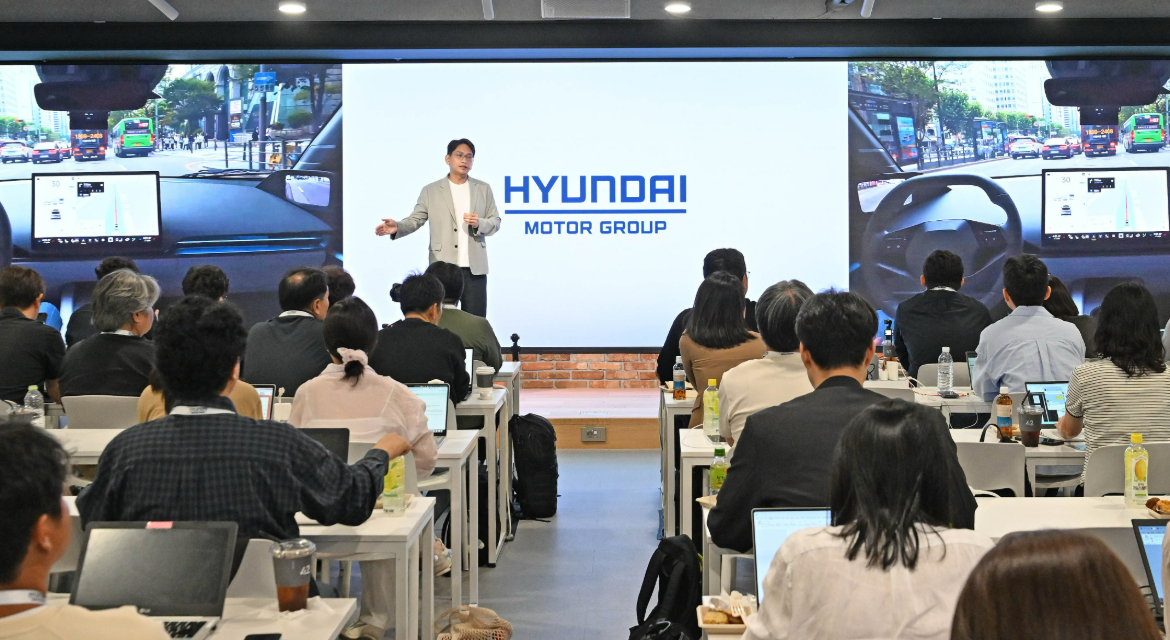
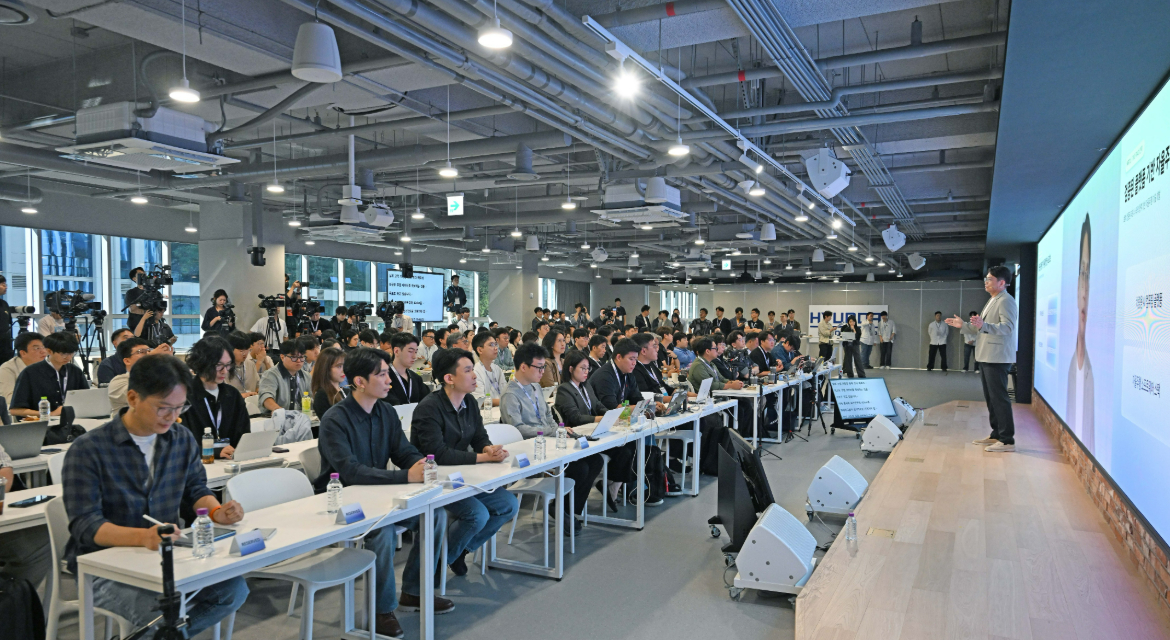
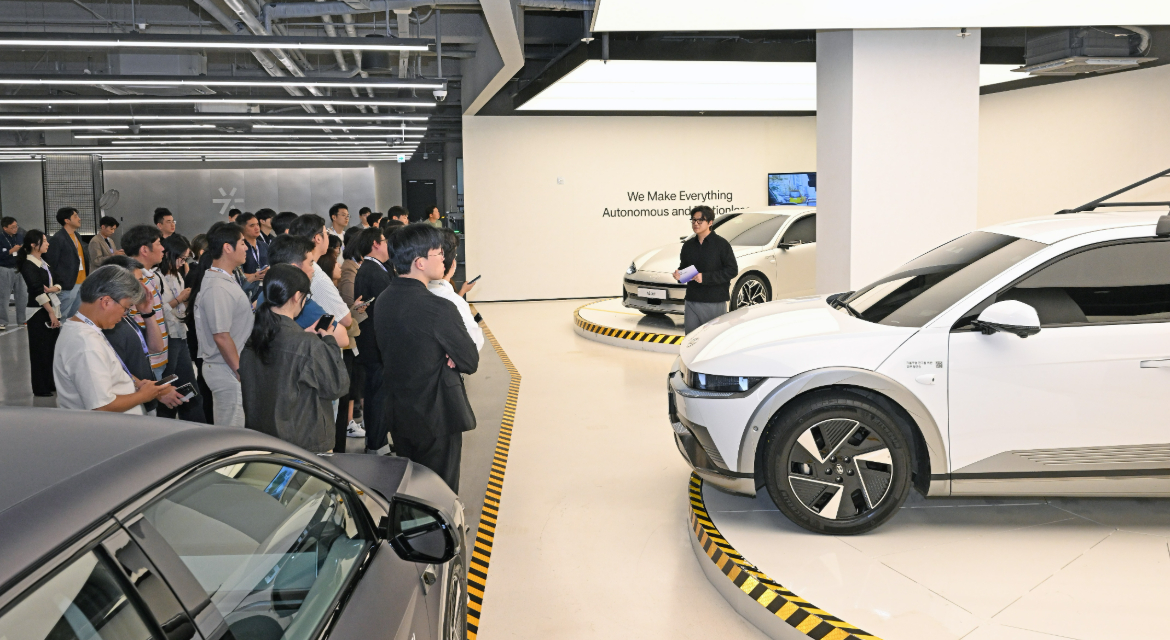
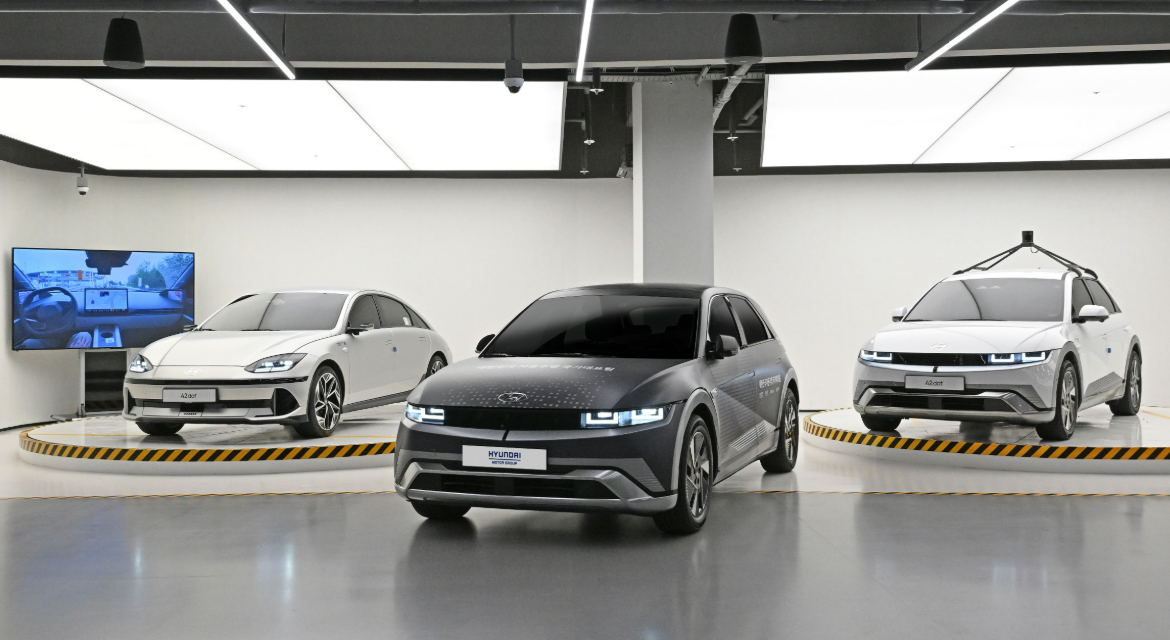
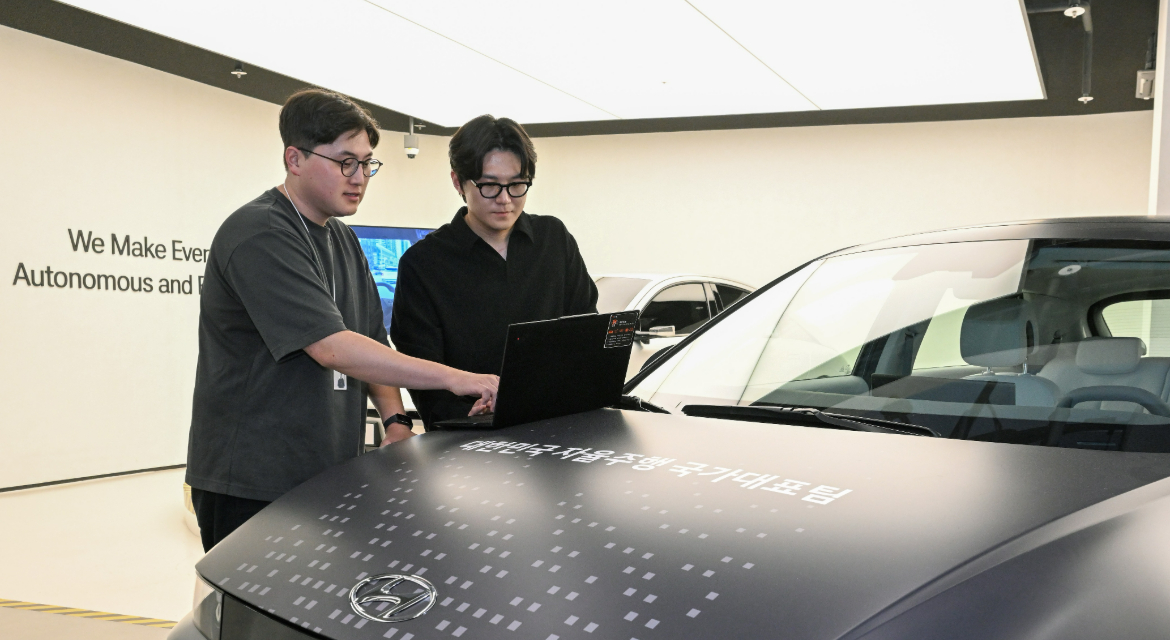
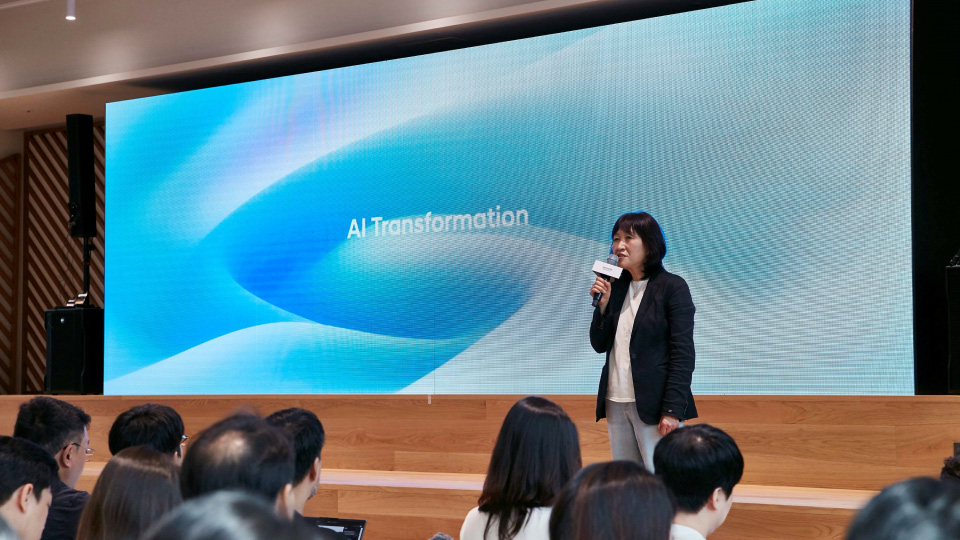
During the Group’s “HMG Autonomous Driving Media Day” at 42dot headquarters in Gyeonggi Province, Korea, the Group presented its autonomous driving development strategy, technology roadmap, key achievements and implementation plans. The presentation underscored the Group’s strategic positioning in the global autonomous driving technology competition and detailed how integrated data and AI systems form the foundation for next-generation vehicle technology.
At the event, the Group identified the Data Flywheel as a key element of its autonomous driving competitiveness and shared the operational framework and execution strategy that transforms large-scale real-world driving data into continuous technology improvements.
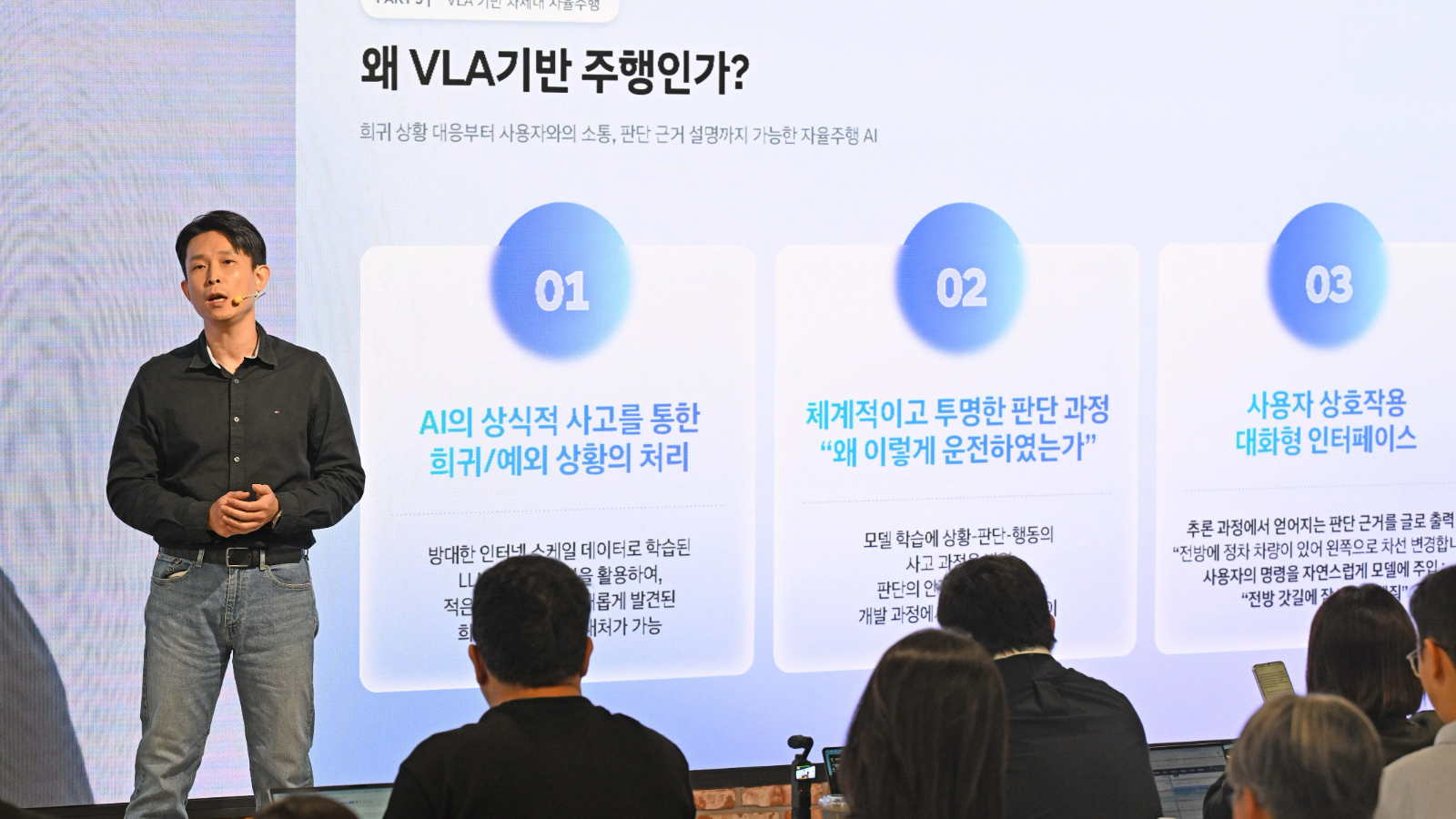
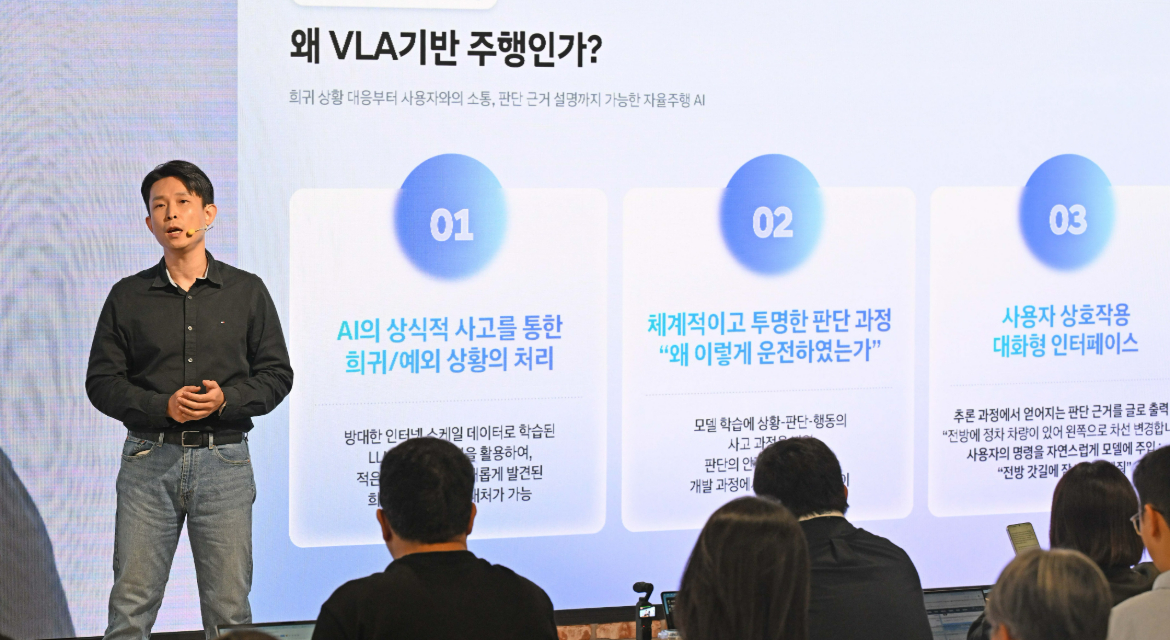
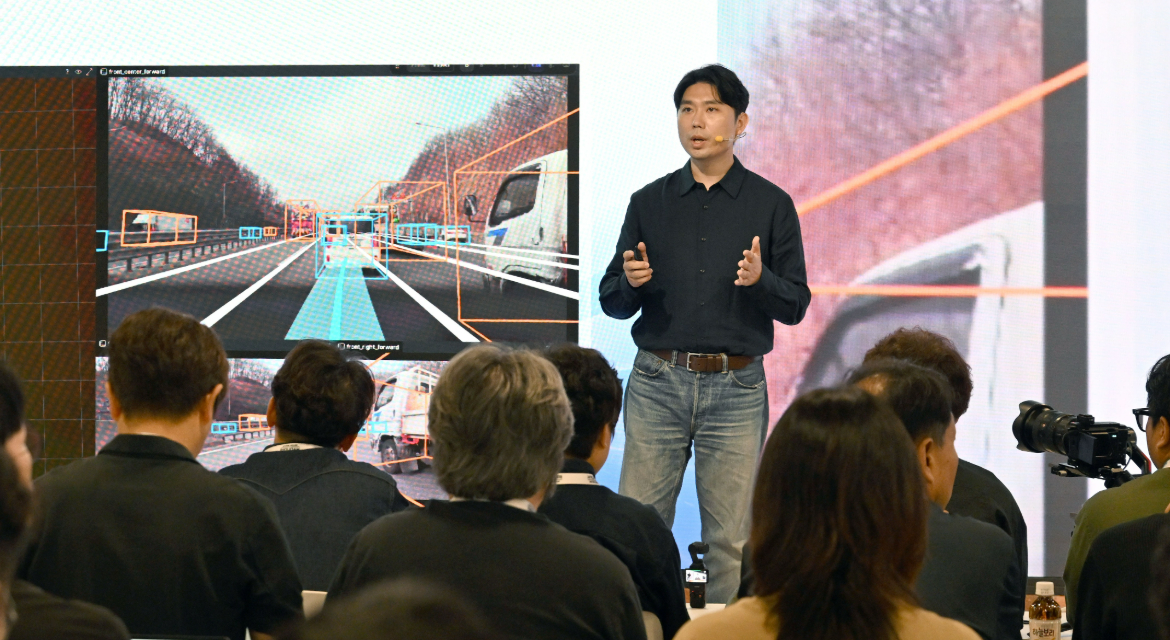
42dot also introduced key technologies and the development progress for the Group’s proprietary autonomous driving artificial intelligence, Atria AI, while outlining the background and future plans for its Vision-Language-Action (VLA) technology development initiative.
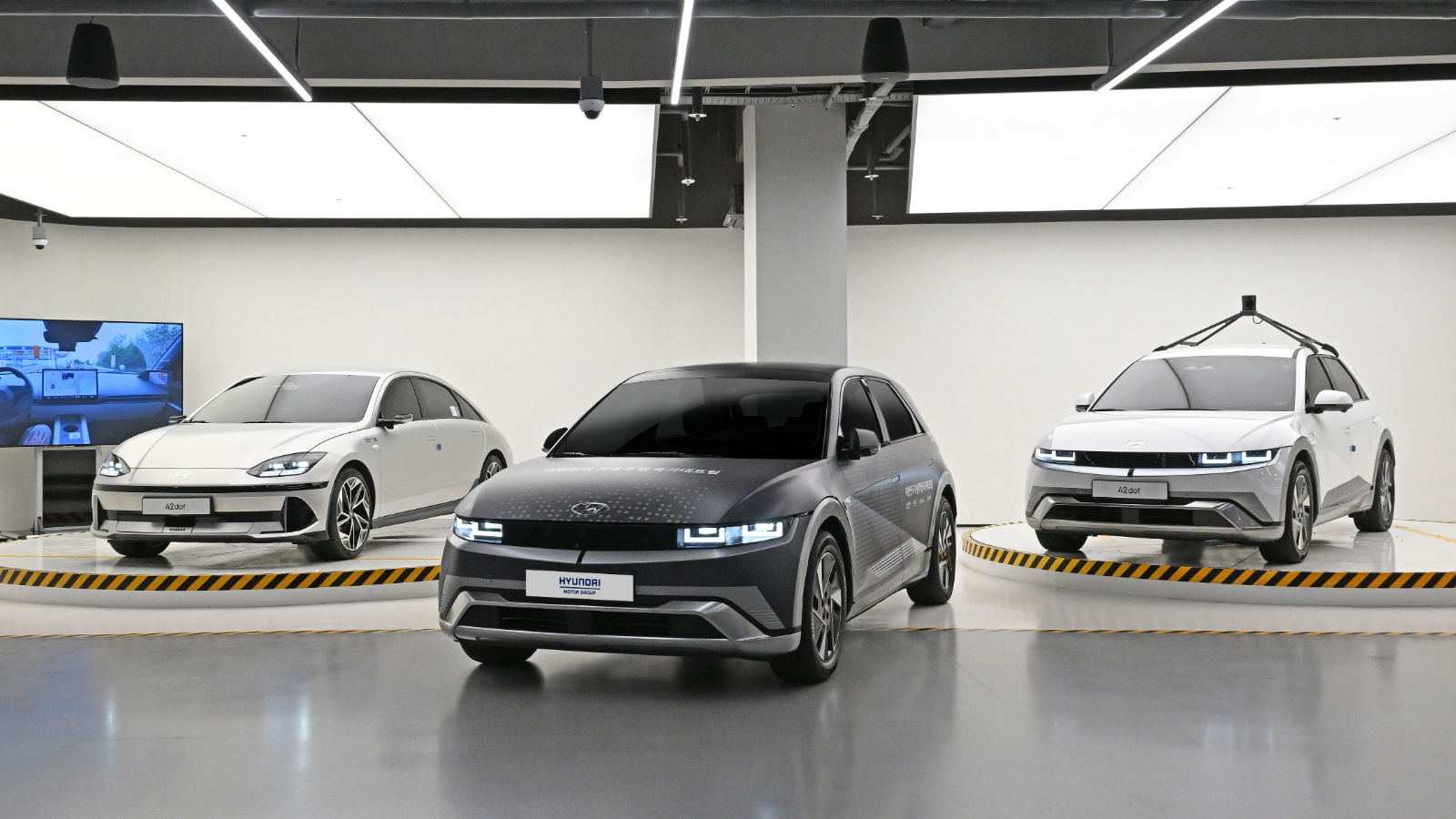
In line with the event, the Group unveiled footage of an Atria AI-equipped SDV Testbed navigating complex urban traffic without driver intervention. Operating at a Level 2++ capability, the autonomous driving system showcased in the footage illustrates how the Data Flywheel is enabling a continuous cycle of learning, validation and performance improvement. The footage is available on the Group’s official YouTube channel.
Autonomous driving competition is no longer about comparing specific features. Competitiveness is determined by how much data you secure, how quickly you learn and how effectively you can reflect those results in actual products and services. At its core, autonomous driving competitiveness comes down to having systems that enable continuous, rapid learning. Hyundai Motor Group will develop autonomous driving technology that customers can trust, based on a virtuous cycle of data, AI and validation. Our goal is to ensure the safety and quality levels customers can trust while we learn and improve rapidly.
President and Head of Advanced Vehicle Platform (AVP) Division at Hyundai Motor Group and CEO of 42dot
In March, Hyundai Motor Group announced a collaboration strategy with NVIDIA, introducing a dual-track approach that combines the rapid deployment of proven autonomous driving technologies with the development of proprietary AI capabilities.
The Group will integrate NVIDIA’s validated vehicle AI computing platform and autonomous driving software into its software-defined vehicle (SDV) architecture. This track prioritizes accelerated deployment while building a foundation for scalable data-driven development.
In parallel, the AVP Division and 42dot are continuing to advance Atria AI, a proprietary end-to-end (E2E) autonomous driving system jointly developed by the two organizations. The teams operate under an integrated development framework.
This dual-track strategy enables the Group to deliver advanced capability to customers in the near-term while building sustainable technology advantage for the future.
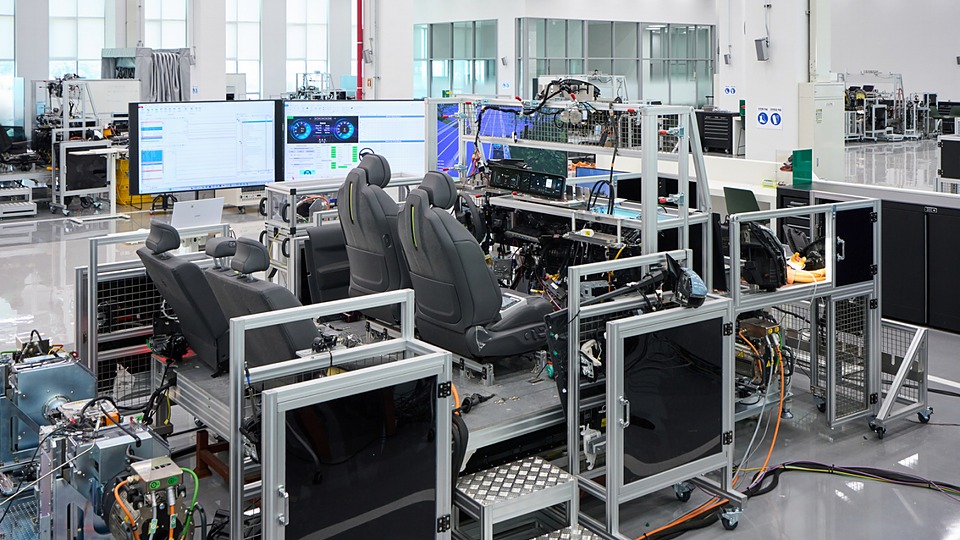
The Data Flywheel operates as a virtuous cycle in which data collected from vehicles is used to train and validate AI models, with improved models subsequently deployed back to vehicles to generate new data. The Group also benefits from significant advantages at the starting point of the Data Flywheel: data acquisition.
Hyundai Motor and Kia sell more than 7 million vehicles annually across approximately 190 countries and regions worldwide. This global production footprint provides a foundational advantage for autonomous driving data collection. Currently, the Group operates approximately 40 dedicated data collection vehicles around the clock to gather driving data. The collected datasets include not only routine driving scenarios, but also a wide range of real-world edge cases:
While large volumes of driving data are important, autonomous driving AI performance is not determined by data volume alone. Model advancement depends on how effectively developers can identify situations that challenge AI systems and focus learning on those scenarios.
To accelerate AI model improvement, Hyundai Motor Group has been integrating new technologies into its Data Flywheel since earlier this year.
Alongside mass-production technology development, the Group is pursuing real-world Level 4 autonomous driving validation. In partnership with South Korea’s Ministry of Land, Infrastructure and Transport, the Group plans to deploy the Atria AI-equipped SDV Pace Car in Jeonnam-Gwangju Special Metropolitan City, South Korea by year-end.
This pilot project will operate autonomous vehicles in actual Korean road environments characterized by complex traffic dynamics and unpredictable variables, conditions fundamentally different from controlled test tracks. Diverse driving scenarios and contingency situations encountered during real- world deployment will be captured and fed directly back into the Data Flywheel for AI learning and performance improvement.
Through this approach, the Group enhances the completeness of Level 2+ mass-production driver assistance technology and the validation of advanced Level 4 autonomous driving capabilities.
Autonomous driving competitiveness depends not on how much data you secure, but on how rapidly you can connect data to learning, validation and performance improvement. Through the data flywheel system now in full operation, we expect continuous improvement of issues identified on real roads and rapid technology advancement.
Executive Vice President and Head of Hyundai Motor Group’s Autonomous Driving Development Center, and 42dot Autonomous Driving Division Lead
Good autonomous driving AI ultimately starts with high-quality data. Hyundai Motor Group continuously improves the performance and maturity of Atria AI through an integrated development cycle that spans data collection, model training and real-world vehicle validation.
Group Lead of 42dot’s Atria Group
Beyond conventional autonomous driving development, 42dot is also advancing next-generation technology through Vision-Language-Action (VLA) — a framework combining visual information recognition, language-based reasoning and action generation into a single framework.
42dot plans to develop VLA models alongside its existing end-to-end (E2E) autonomous driving models to enhance the stability and scalability of autonomous driving technologies while providing a range of solutions tailored to different vehicle hardware specifications and customer needs.
VLA is regarded as a key technology for Physical AI applications, including autonomous driving and robotics. While conventional E2E models directly connect driving inputs to vehicle actions, VLA models add language-based situational understanding and reasoning, enabling improved decision-making and explainability in complex driving scenarios.
42dot expects VLA technology to enhance the ability to respond to rare driving situations by leveraging language-based reasoning and large-scale pre-trained knowledge that is difficult to learn from driving data alone.
VLA is a core technology for implementing Physical AI where AI goes beyond simply driving to understand situations, reason through them and act. Starting with autonomous driving, it will provide the foundation to expand into diverse fields such as robotics and beyond.
Group Lead of 42dot’s Trion Group
The Group also released video footage demonstrating an Atria AI-equipped SDV Testbed navigating actual Seoul urban traffic without driver intervention. The footage demonstrates how the Data Flywheel is producing measurable performance improvements in real-world conditions.
Rather than focusing on controlled test scenarios, the videos highlight how the Group’s autonomous driving technologies perform in the complexity of everyday urban environments and illustrate their potential for continued advancement.
The footage consists of three categories:
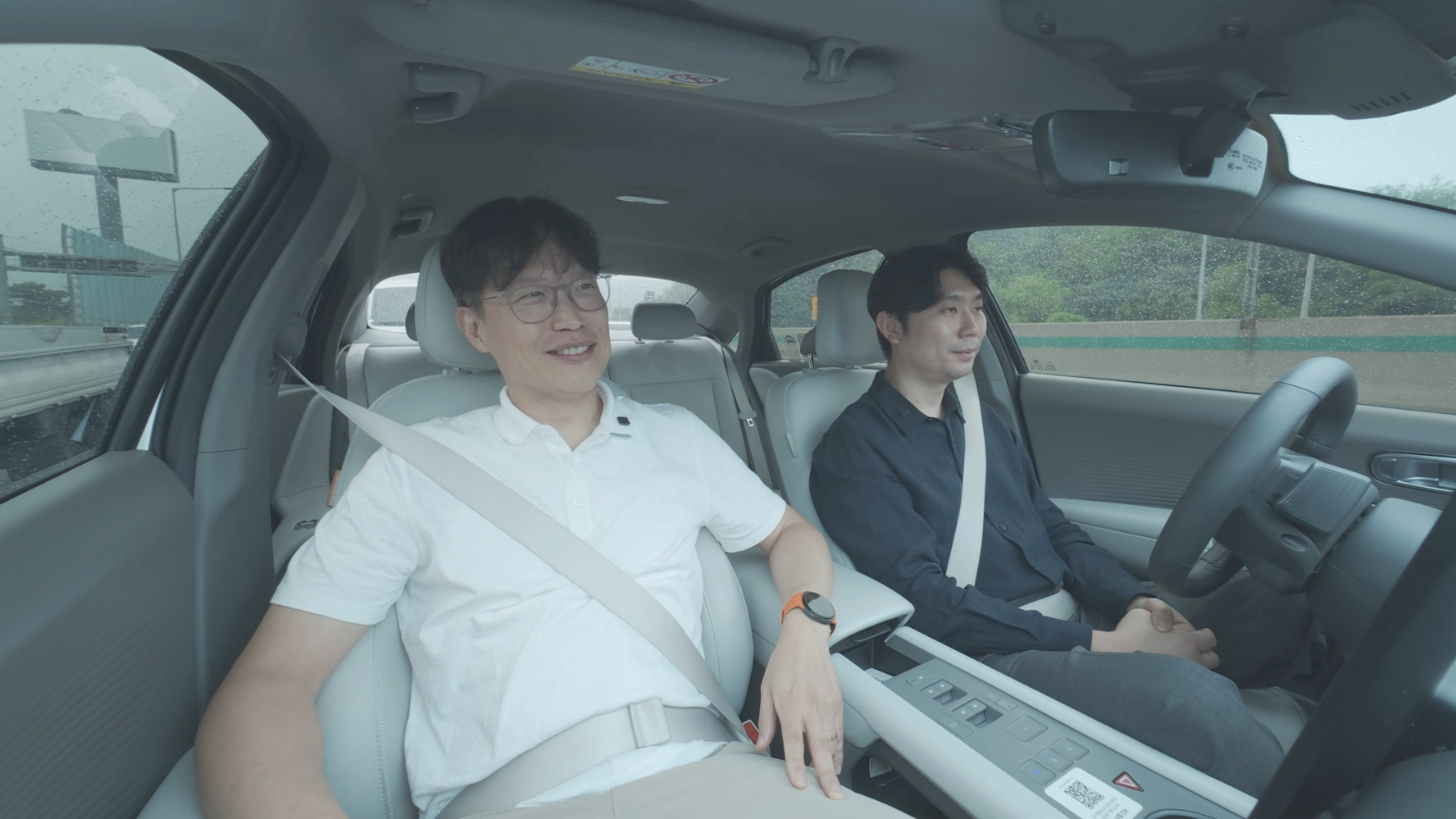
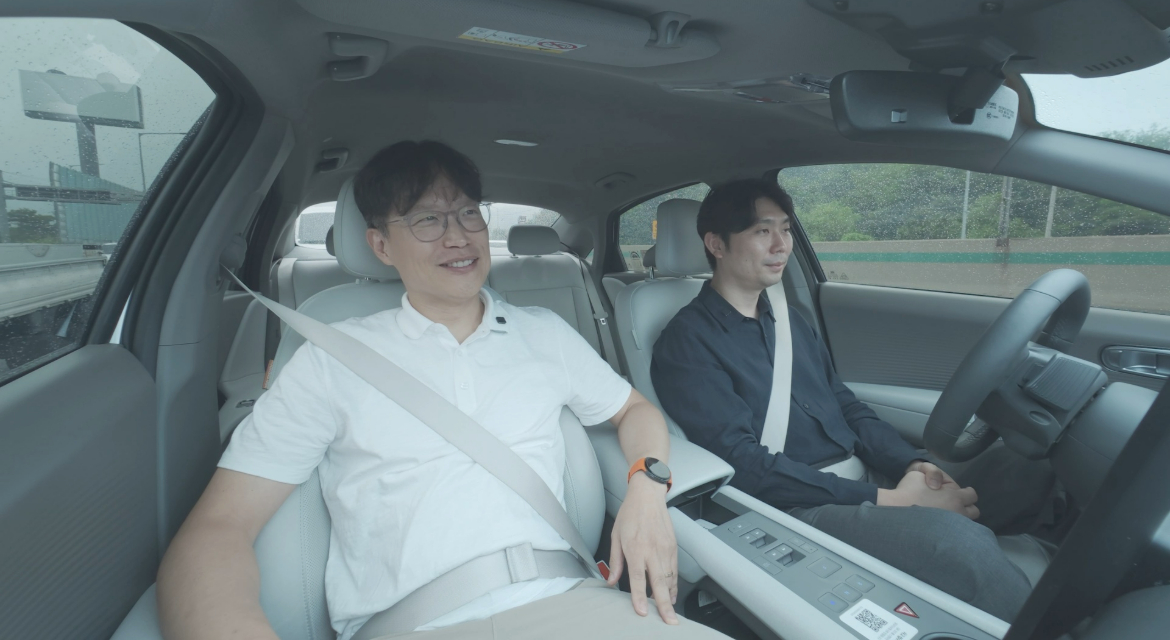
Executive Ride-Along: Minwoo Park and Seonggyun Jeong traveled in an autonomous vehicle through central Seoul as the vehicle navigated actual traffic conditions including expressways, major thoroughfares, bridges and urban streets. During the ride, they discussed Atria AI’s development process, current technical capabilities, autonomous driving decision-making mechanisms and future development directions. The footage also showcases how the vehicle perceives surrounding traffic conditions, makes driving decisions and responds to diverse road environments in real time.
Link to video on the Group’s official YouTube channel: https://youtu.be/5c5ojBJUznU
One-Take Urban Driving Footage: Three unedited video sequences captured autonomous driving performance in diverse environments, including:
Each video runs approximately two to four minutes and was filmed in a one-take format without edits other than playback speed adjustments, providing an unfiltered view of autonomous driving performance in real-world traffic conditions.
The footage demonstrates how Atria AI recognizes and interprets a wide range of road elements, including vehicles, pedestrians, lane markings, intersections and traffic signals, while continuously adapting to changing traffic environments.
Links to Videos on the Group’s official YouTube channel:
Edge Case Handling: The third video focuses on Atria AI’s response to key edge cases encountered in urban driving environments.
Ten representative scenarios are included, such as:
Collectively, these scenarios demonstrate how the autonomous driving system responds to the diverse variables encountered in complex urban traffic environments.
Link to Video on the Group’s official YouTube channel: https://youtu.be/c9DipX33EVM

Autonomous driving is the flagship Physical AI technology and sits at the center of the automotive industry’s transformation into an AI industry. By combining the Group’s global mass production capabilities with 42dot’s AI and software technology and data flywheel-based learning system, we will implement trustworthy autonomous driving technology for our customers. Development speed and safety are not conflicting values. The more exceptional situations we discover and learn from, the safer autonomous driving becomes. Hyundai Motor Group will enhance both development velocity and safety, maintaining the principle of applying only thoroughly validated technology to our vehicles.
President and Head of AVP Division at Hyundai Motor Group and CEO of 42dot
Seoyong Choi
syc@kia.com
Global PR Team 1 · Hyundai Motor Company
Disclaimer: Hyundai Motor Group believes the information contained herein to be accurate at the time of release. However, the company may upload new or updated information if required and assumes that it is not liable for the accuracy of any information interpreted and used by the reader.
About Hyundai Motor Group
Hyundai Motor Group is a global enterprise that has created a value chain based on mobility, steel, and construction, as well as logistics, finance, IT, and service. With about 250,000 employees worldwide, the Group’s mobility brands include Hyundai, Kia, and Genesis. Armed with creative thinking, cooperative communication and the will to take on any challenges, we strive to create a better future for all.
More information about Hyundai Motor Group can be found at:
http://www.hyundaimotorgroup.com or Newsroom: Media Hub by Hyundai, Kia Global Newsroom, Genesis Newsroom
2.3 MB
369 KB
5 MB
3.2 MB
4 MB
3 MB
3.2 MB
3.1 MB
2.9 MB
2.6 MB